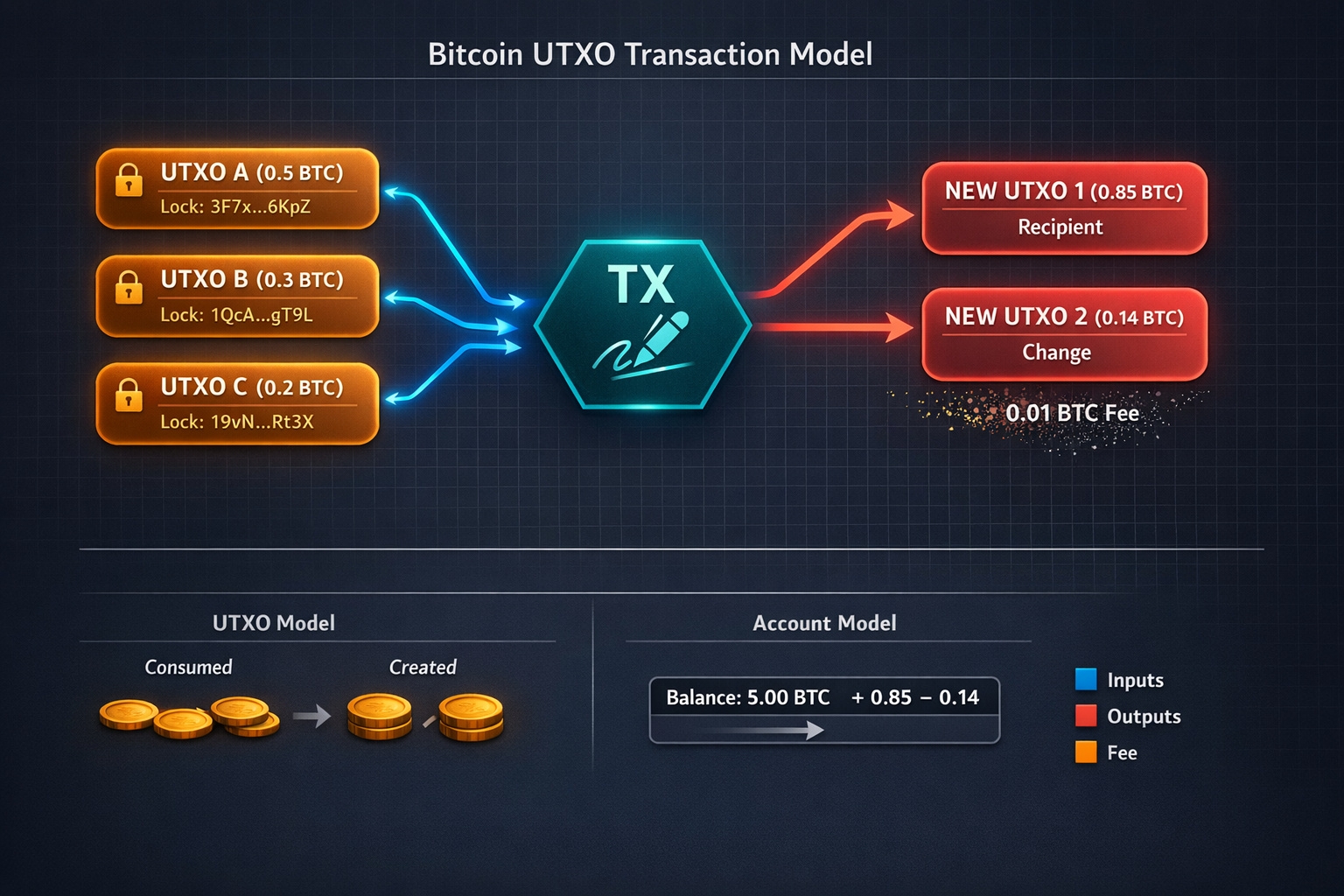
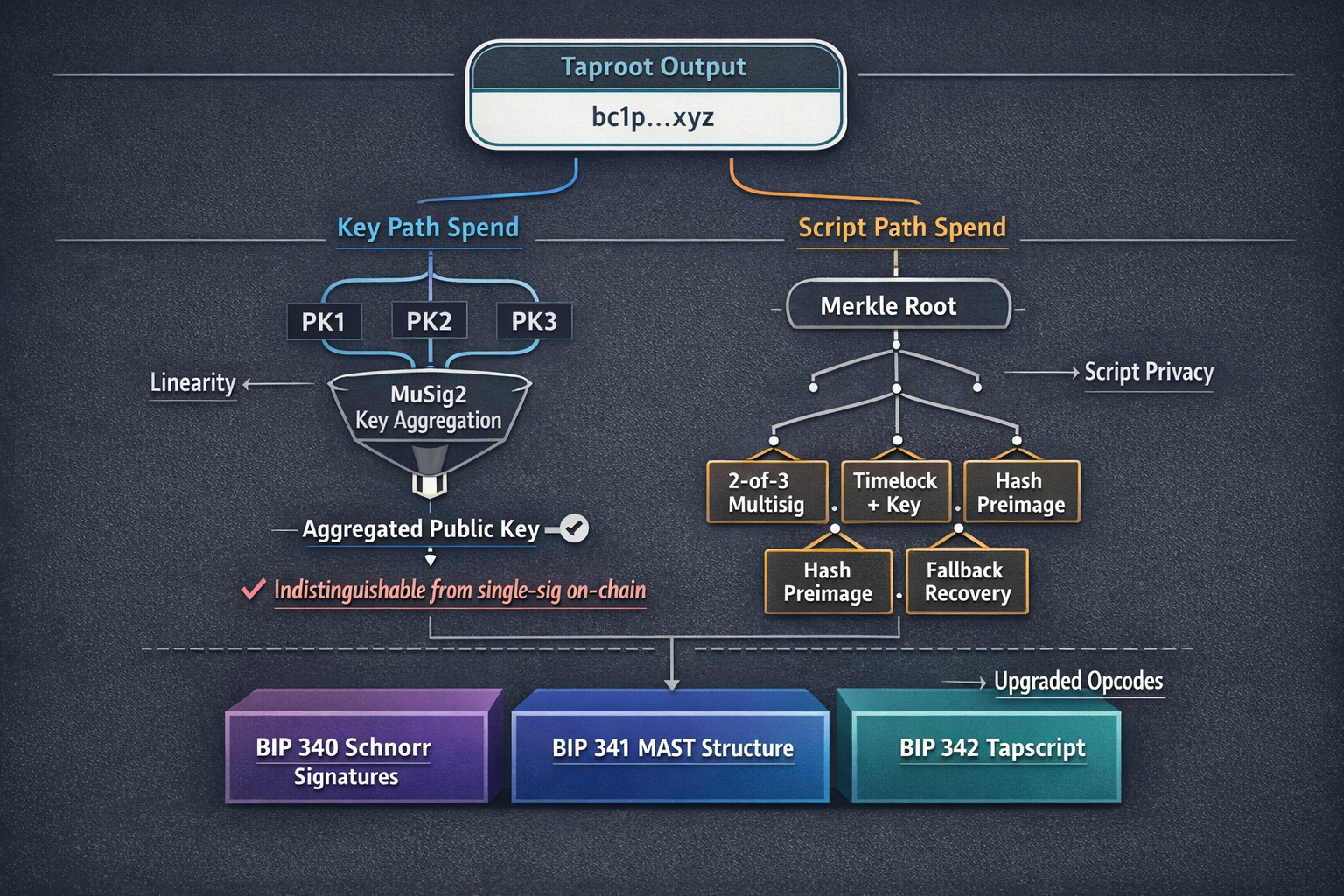
You've bought Bitcoin. You've sent it between wallets, maybe opened a Lightning channel, possibly even tracked your capital gains. But if someone asked you to explain how a UTXO is constructed, why Taproot makes multisig indistinguishable from a simple payment, or what the difficulty adjustment algorithm actually recalculates every 2,016 blocks — you'd likely reach for generalities. That gap between using Bitcoin and understanding Bitcoin is what this article closes.
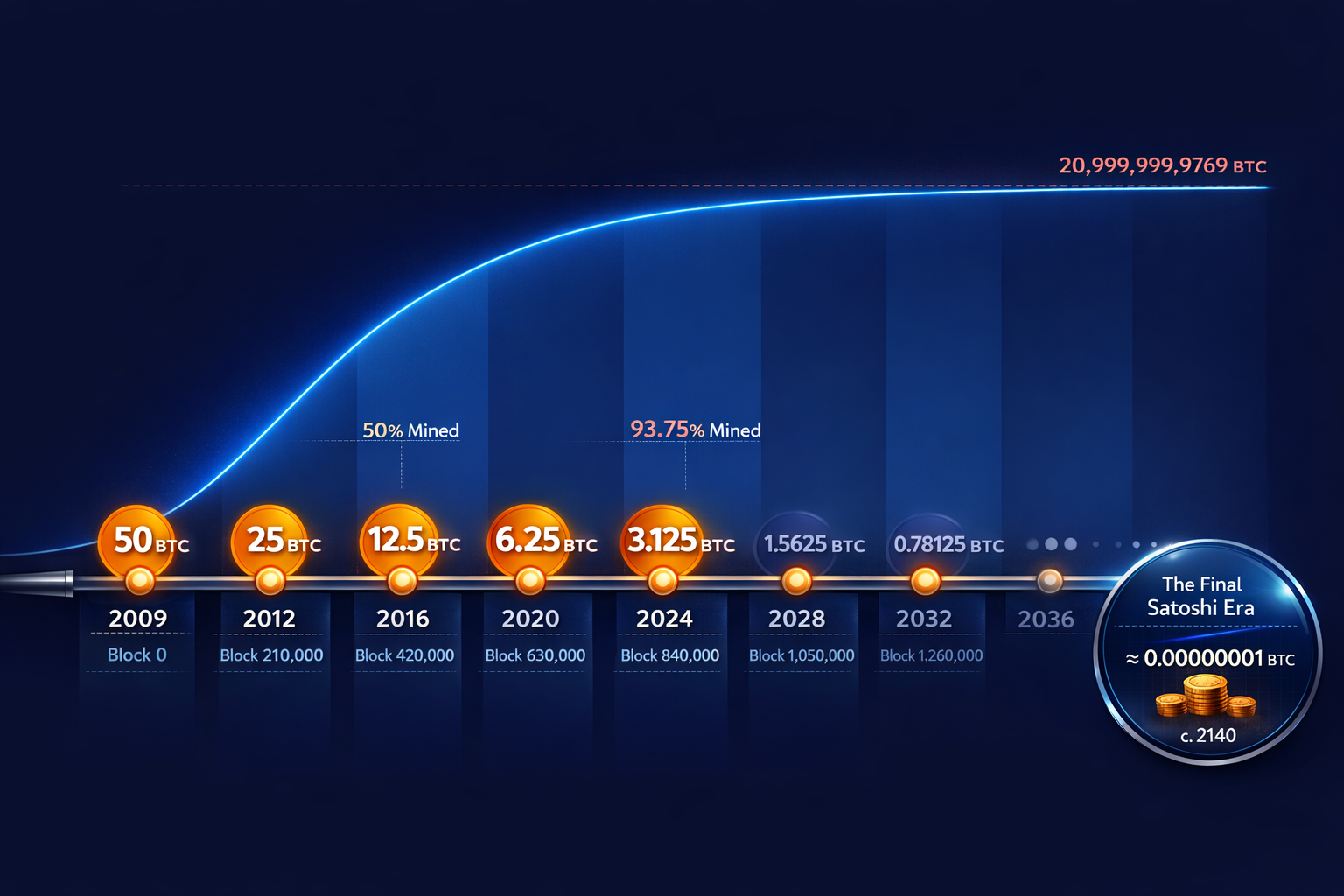
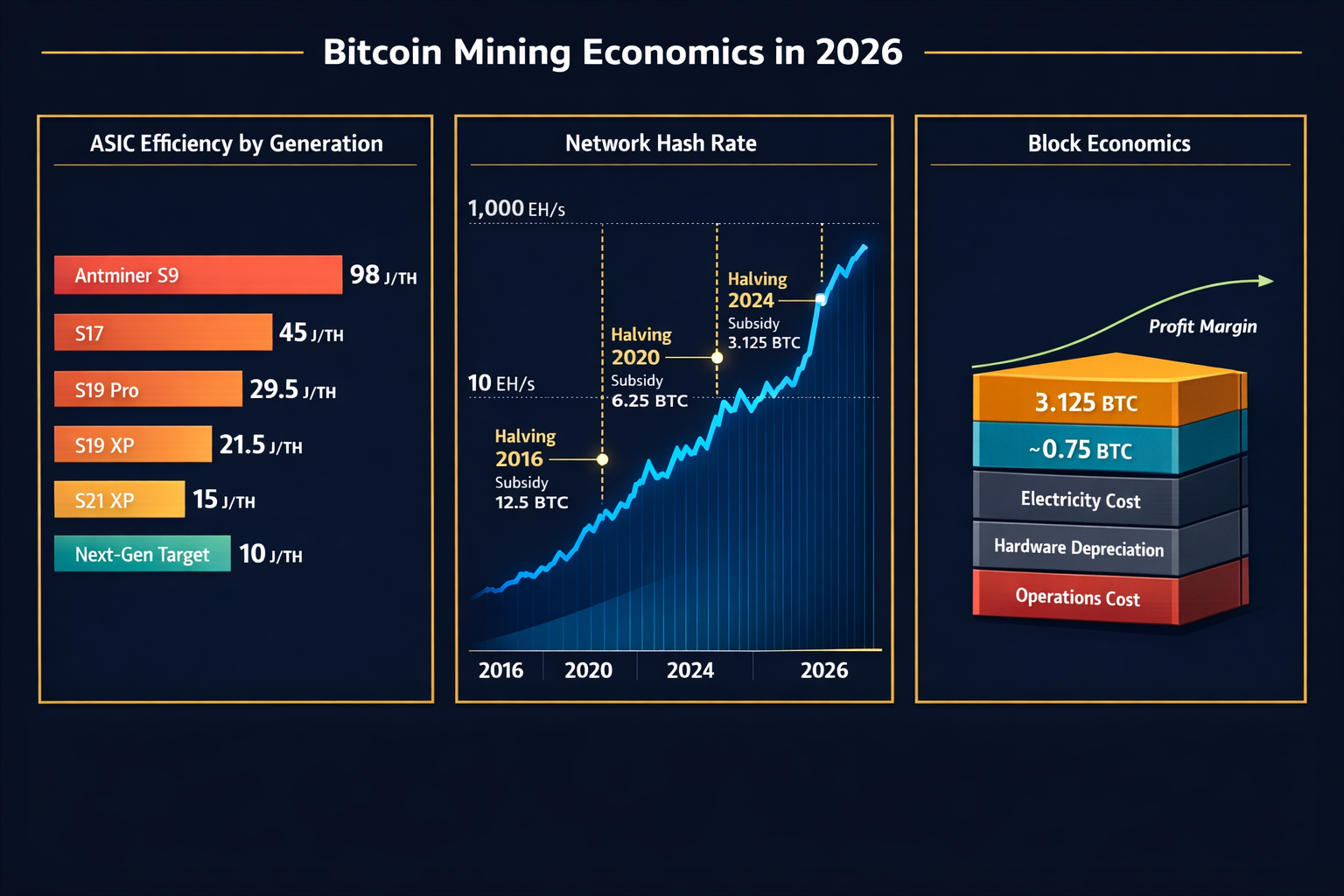
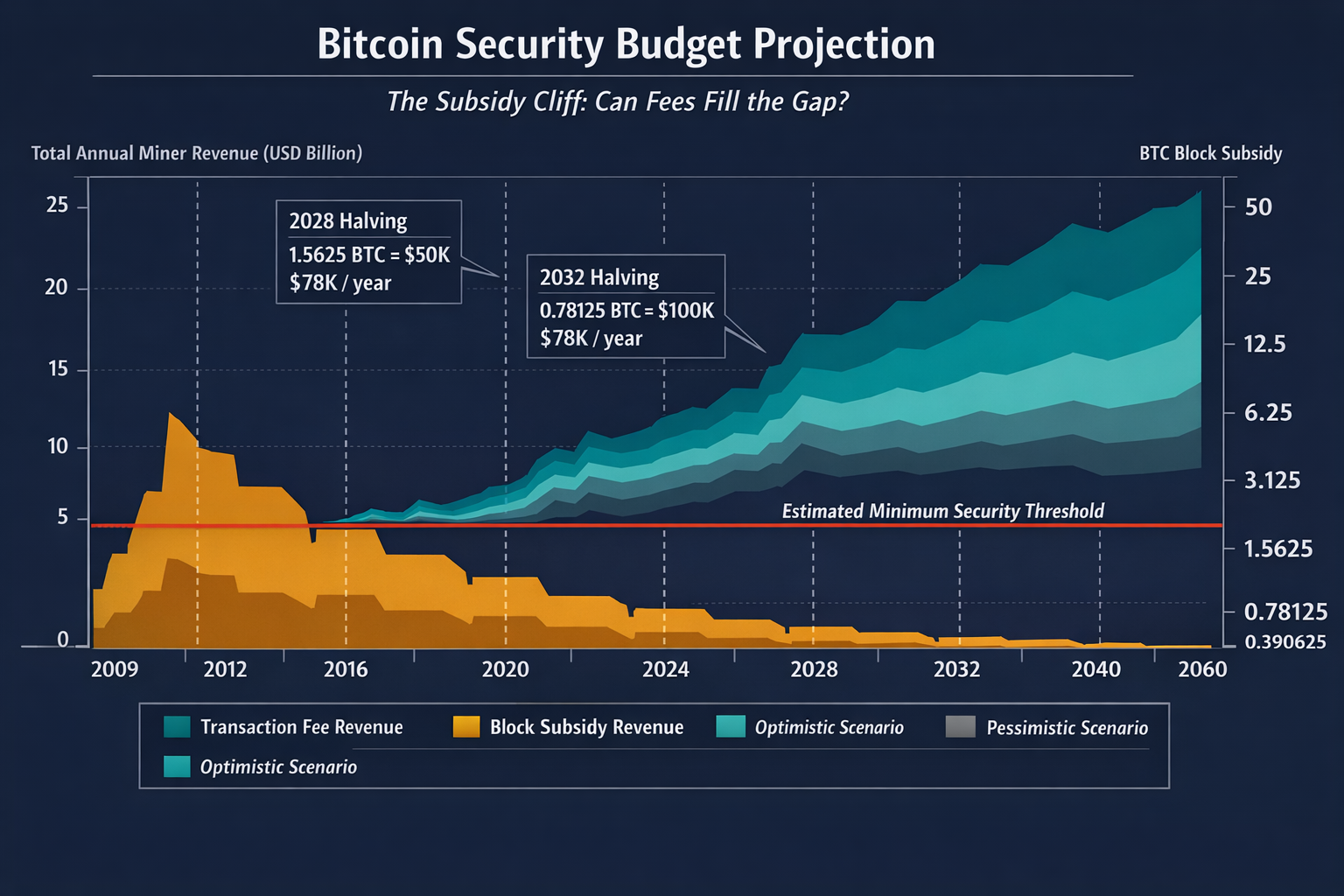
As of March 2026, the Bitcoin network operates at a block height above ~880,000. The fourth halving occurred in April 2024 at block 840,000, cutting the block subsidy to 3.125 BTC per block and dropping Bitcoin's annual issuance rate to ~0.83% — lower than gold's ~1.5–2% supply inflation for the first time in practical terms. The network's hash rate has surged to ~800–900 EH/s, nearly doubling from pre-halving levels, driven by next-generation ASICs and the expansion of institutional mining operations. US spot Bitcoin ETFs, approved in January 2024, have accumulated over ~$120–130B in total assets under management, with BlackRock's iShares Bitcoin Trust (IBIT) holding the largest single position. The US Strategic Bitcoin Reserve, established by executive order in March 2025, directs the Treasury to retain seized BTC and explore budget-neutral acquisition strategies — a development that shifted Bitcoin's narrative from speculative asset to sovereign reserve instrument.
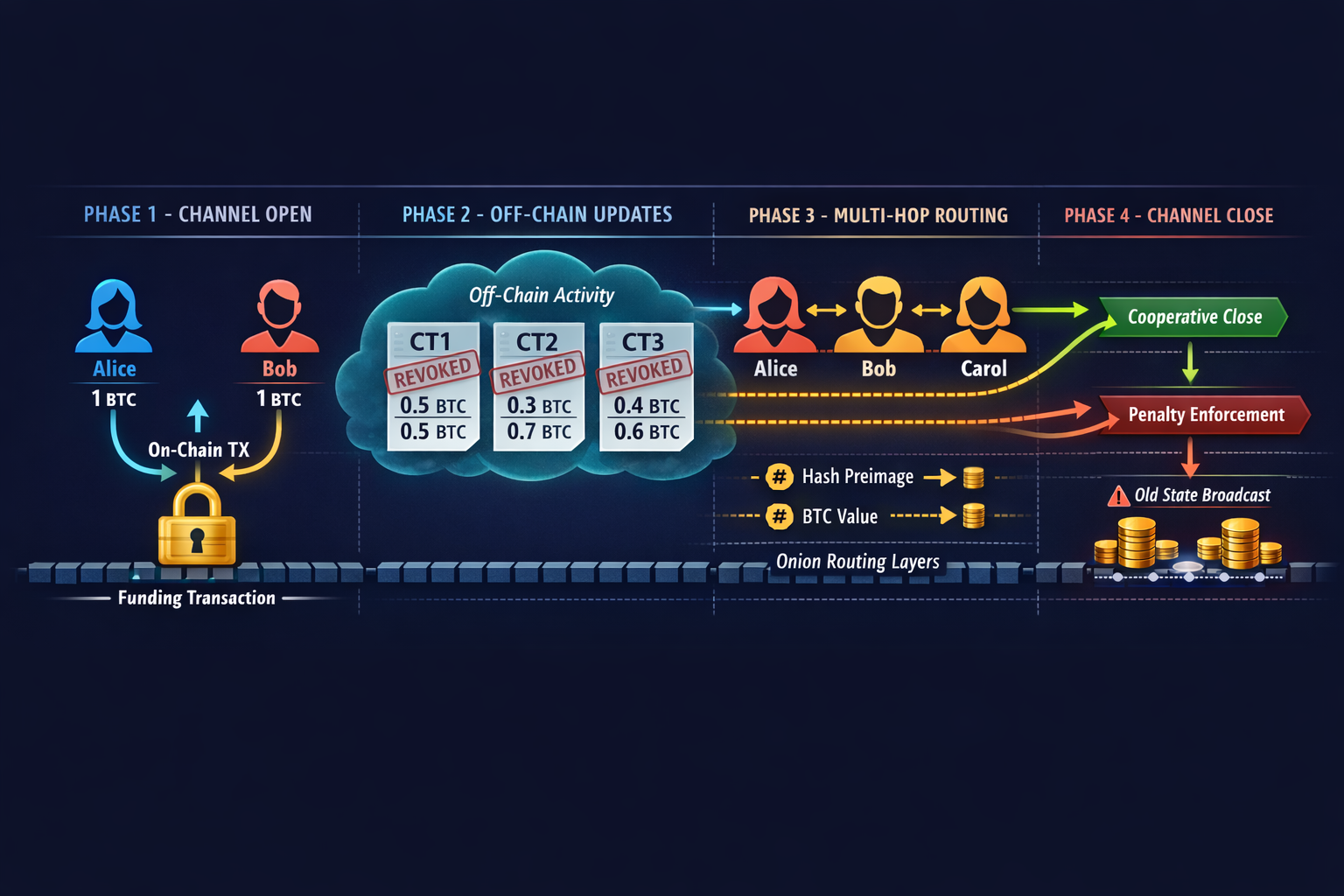
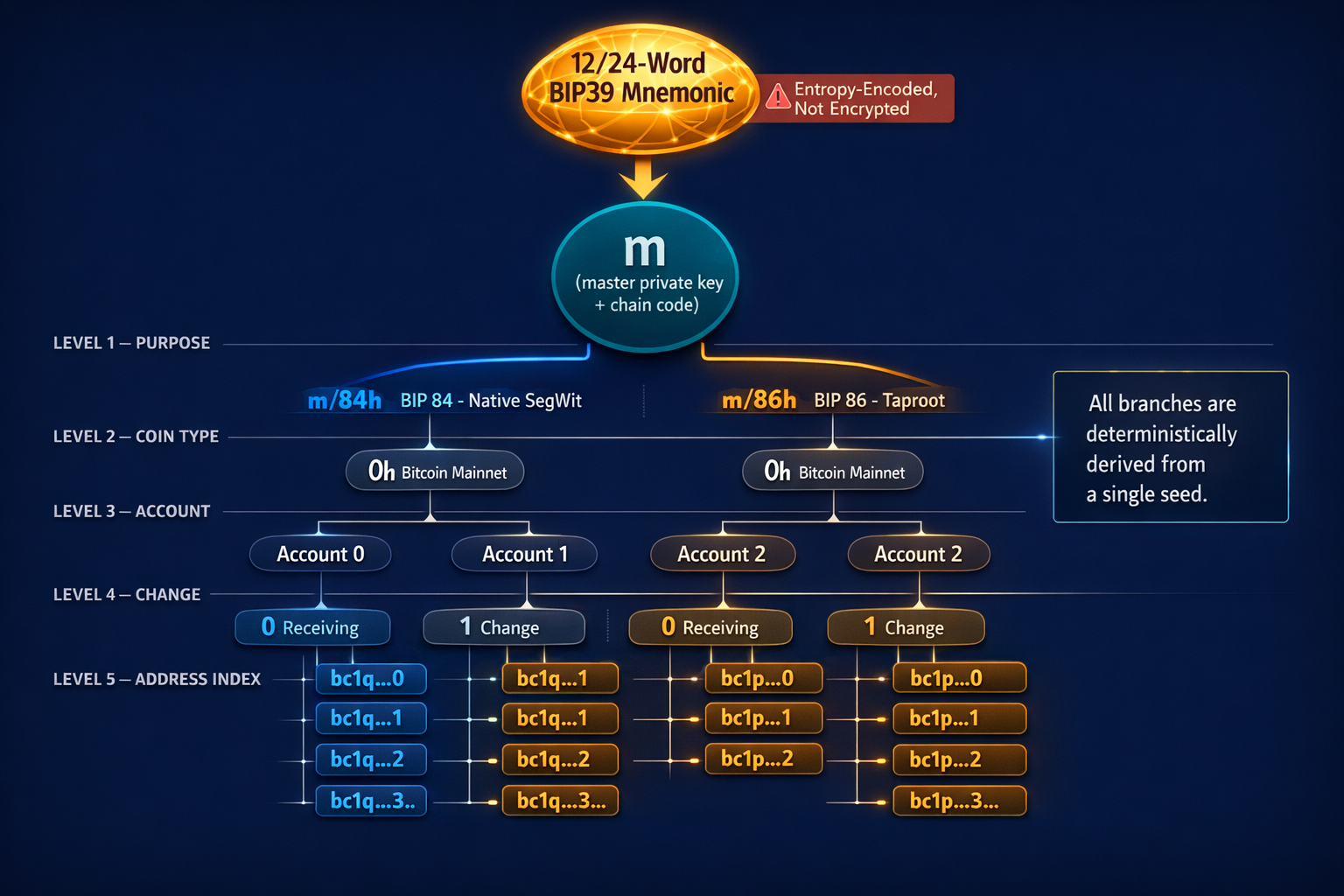
The Lightning Network's public capacity exceeds ~5,500 BTC across ~60,000–70,000 public channels, though private and unannounced channels likely represent 50–70% of actual network capacity on top of those figures. Taproot adoption has reached ~50–55% of transaction outputs using P2TR addresses, up from roughly 15% in mid-2024. The debate over OP_CAT (BIP 347), a soft fork proposal that could enable covenants and trustless bridges, is the most consequential protocol discussion since Taproot's activation. This is no longer the Bitcoin of 2021. The technical substrate, economic structure, and institutional integration have fundamentally evolved, and this guide maps every layer with the precision that intermediate participants deserve.