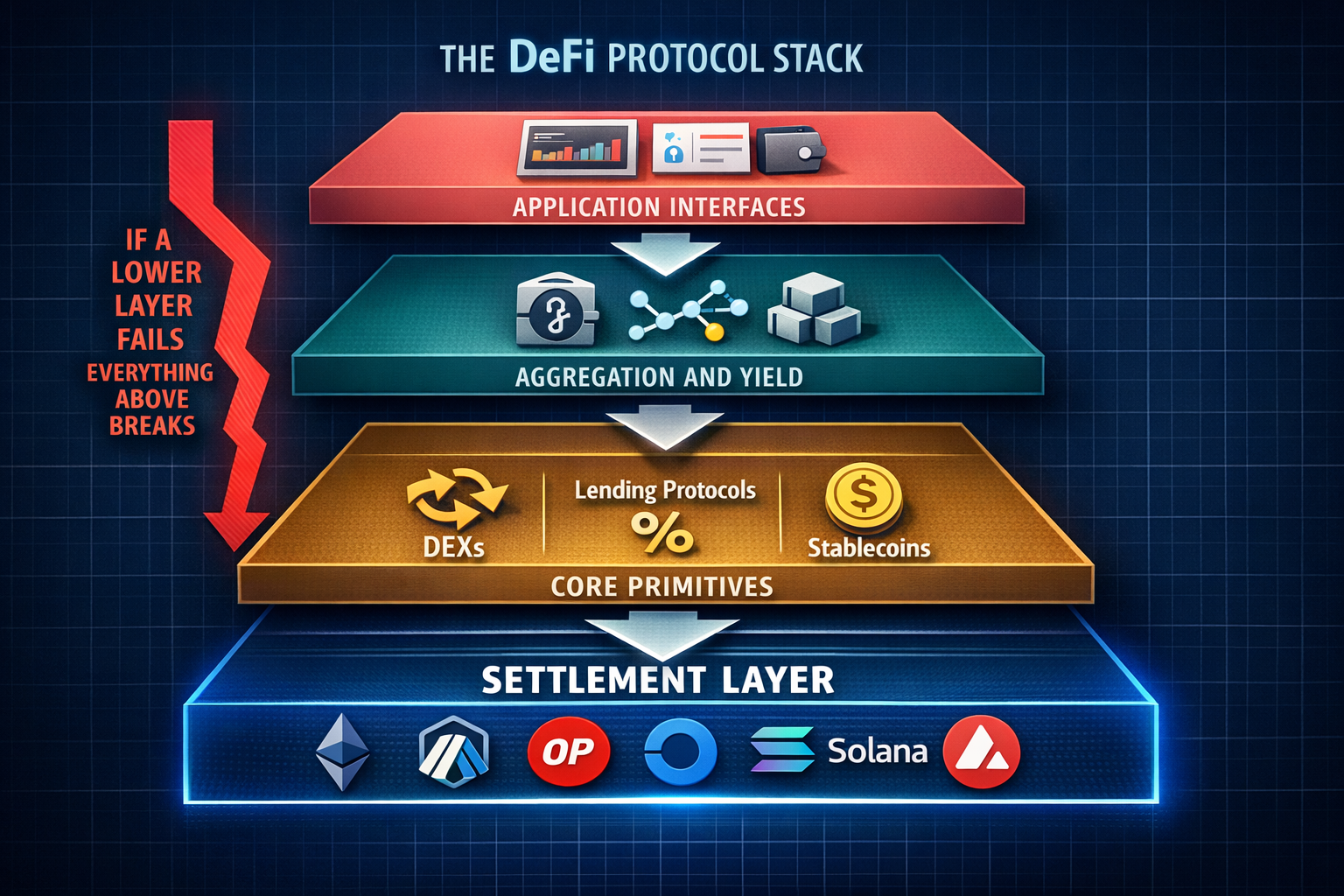
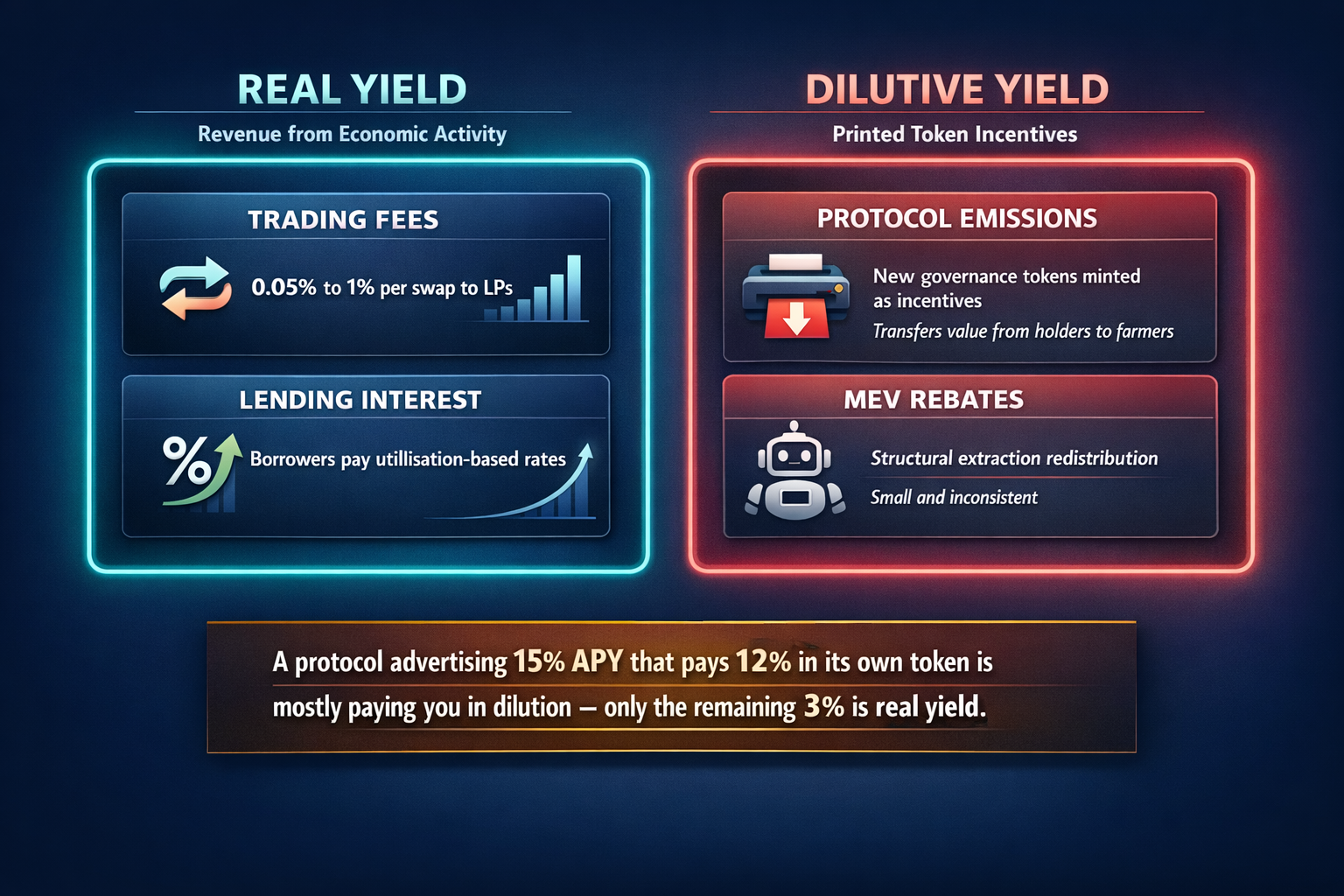
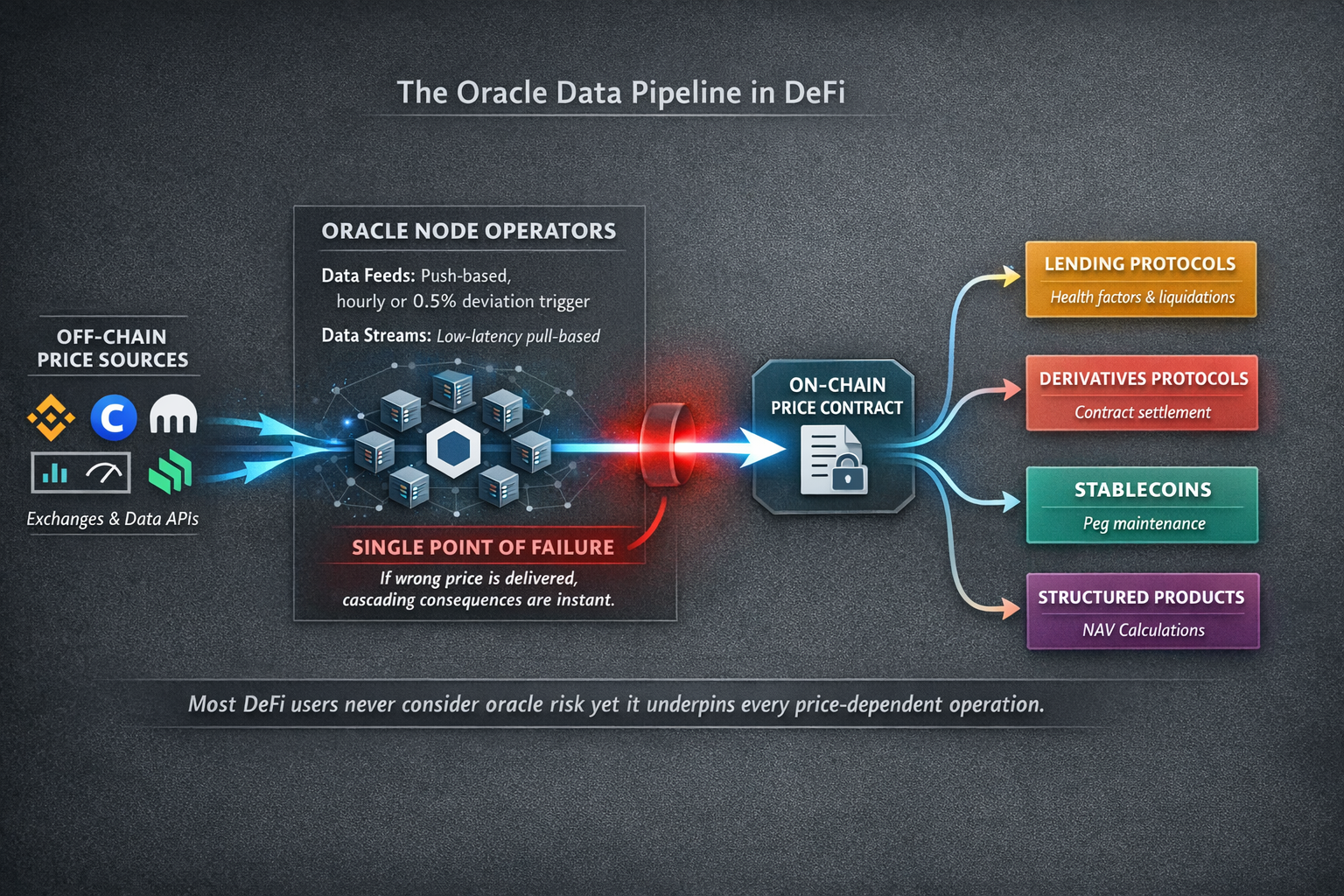
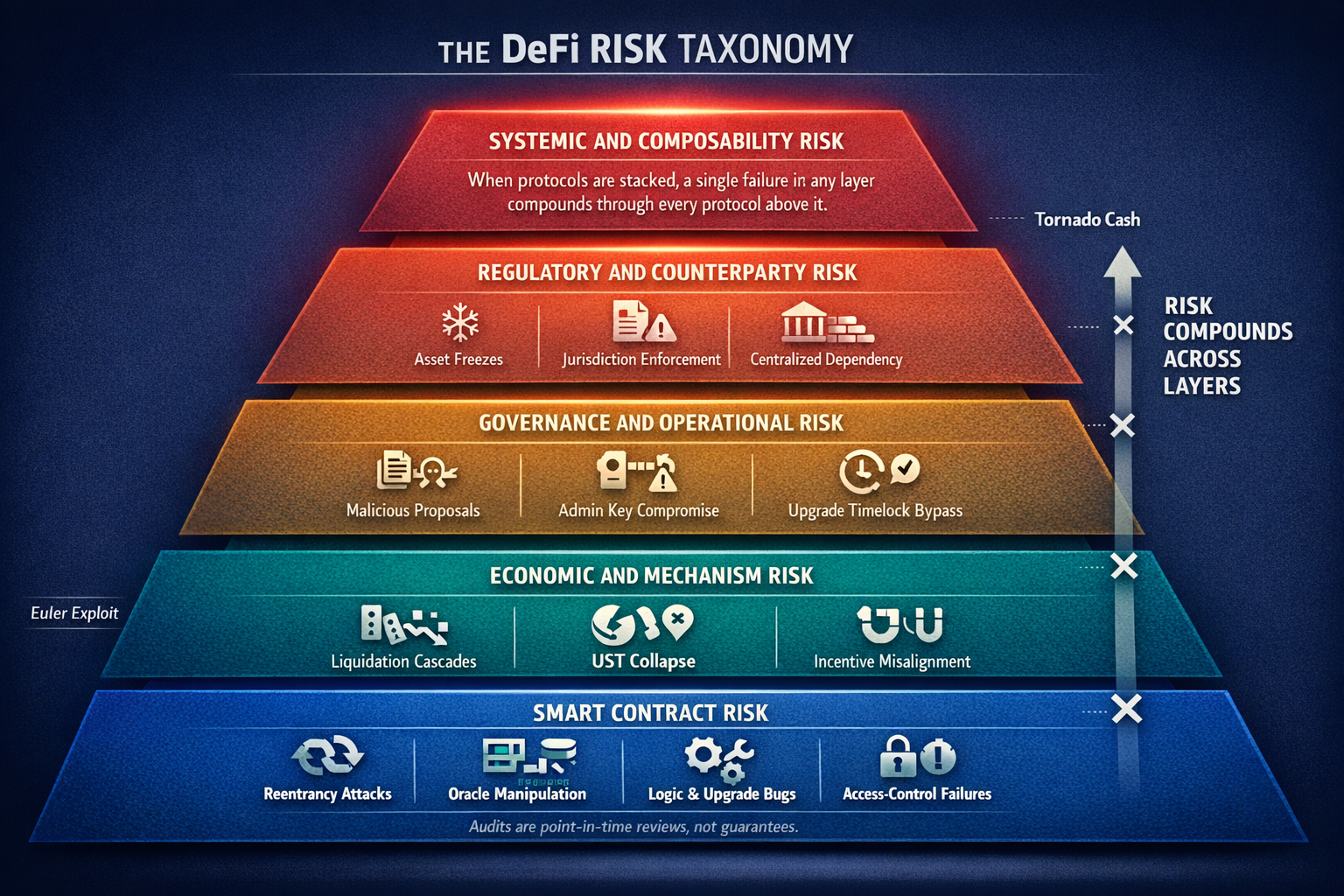
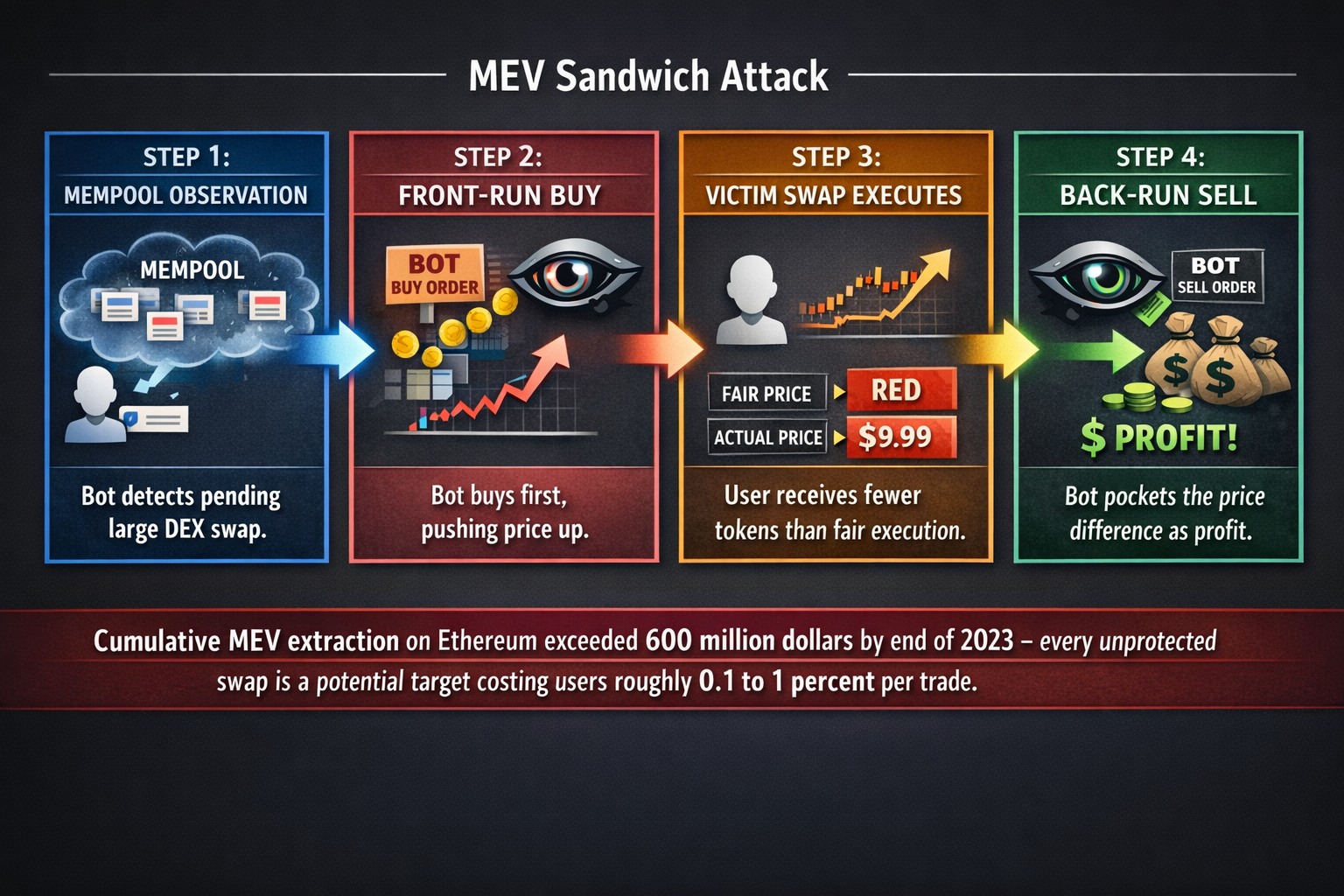
You've likely heard the elevator pitch: DeFi is finance without banks. That's directionally correct but dangerously incomplete. Decentralised finance is a set of open-source, self-executing smart-contract protocols deployed on programmable blockchains that replicate the services traditionally provided by banks, brokers, exchanges, clearing houses, and insurance companies. The difference isn't just the absence of a middleman — it's the substitution of one set of risks (counterparty risk, censorship, operating hours) for an entirely different set (smart-contract bugs, oracle failures, governance capture, liquidity crunches). Genuine DeFi expertise means understanding which risks you're accepting and how they stack.
The timeline matters because it reveals how fast the ecosystem iterated. Bitcoin launched in 2009 as programmable money. Ethereum arrived in 2015 and introduced general-purpose smart contracts. MakerDAO went live in 2017 with the first decentralised stablecoin. Then came DeFi Summer in mid-2020, when Compound's COMP token distribution ignited a yield-farming frenzy that pushed total value locked from under $1B to over $15B in three months. The bear market of 2022 — triggered by the Terra/UST collapse and cascading CeFi failures (Celsius, FTX) — crushed TVL to ~$37B. As of Q1 2026, DeFi TVL sits at roughly ~$130–150B across all chains, recovered but still below the ~$180B peak of November 2021. The market is more mature, more multi-chain, and attracting institutional capital, but the fundamental challenge remains: most users interact with DeFi without understanding the machinery underneath.
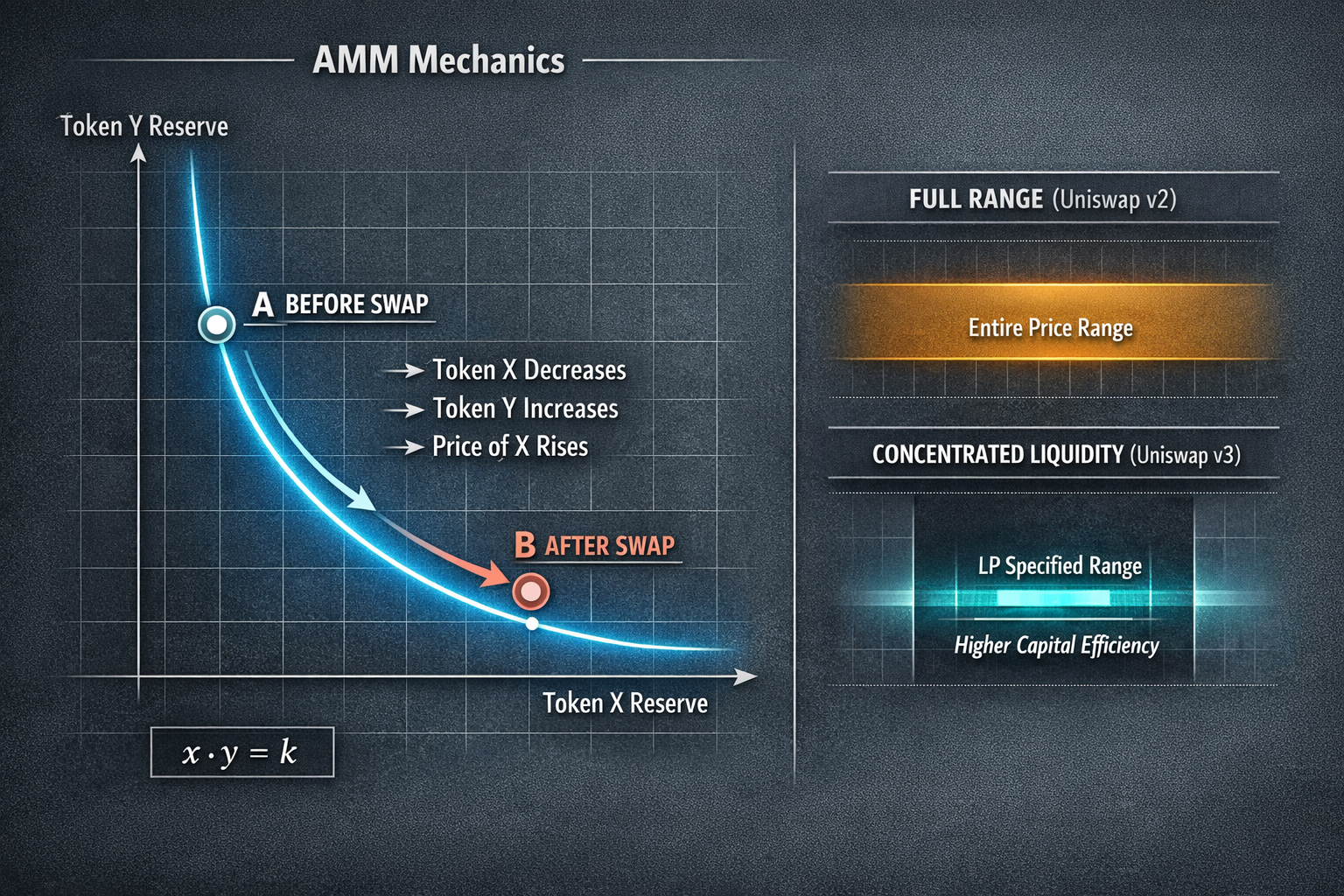
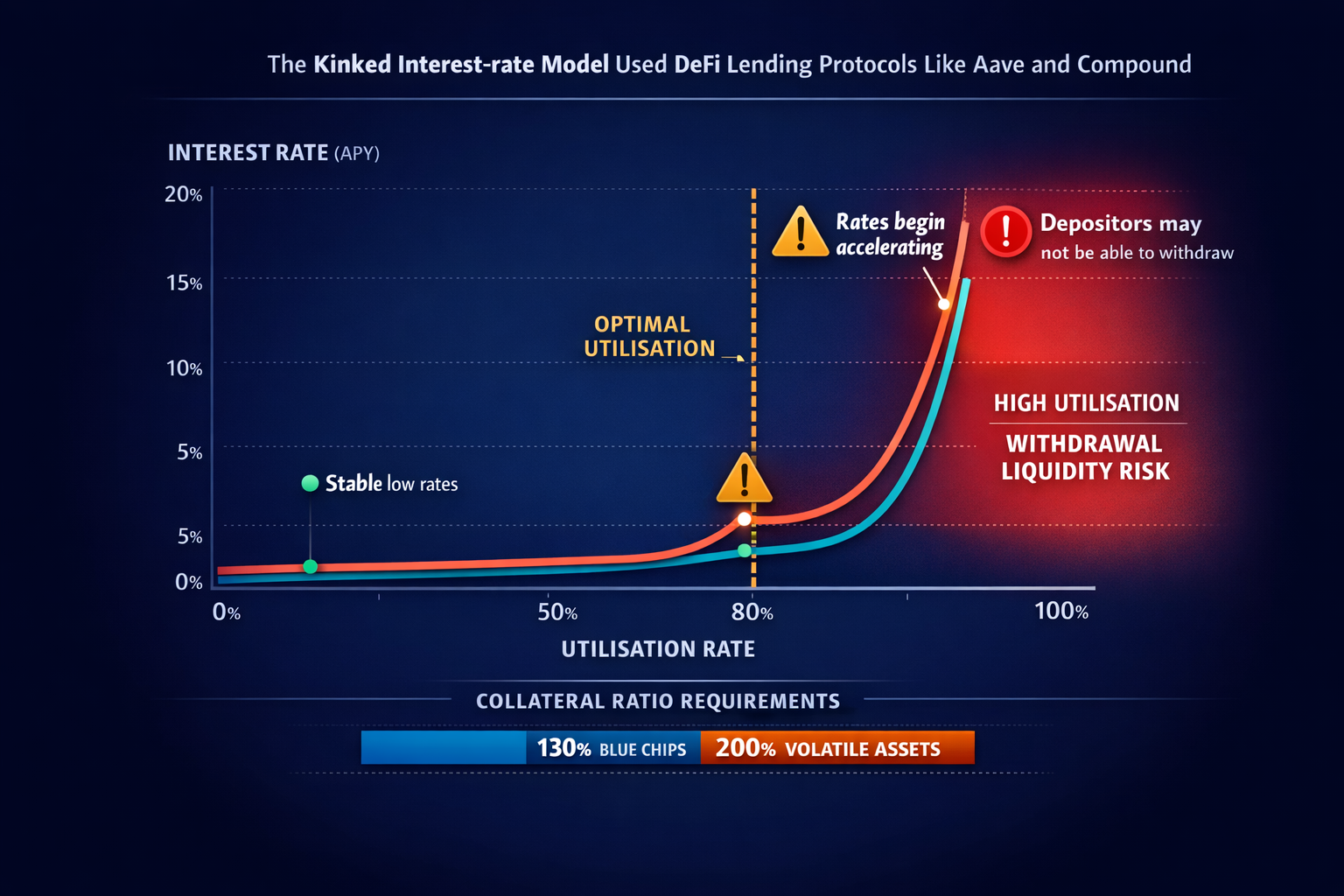
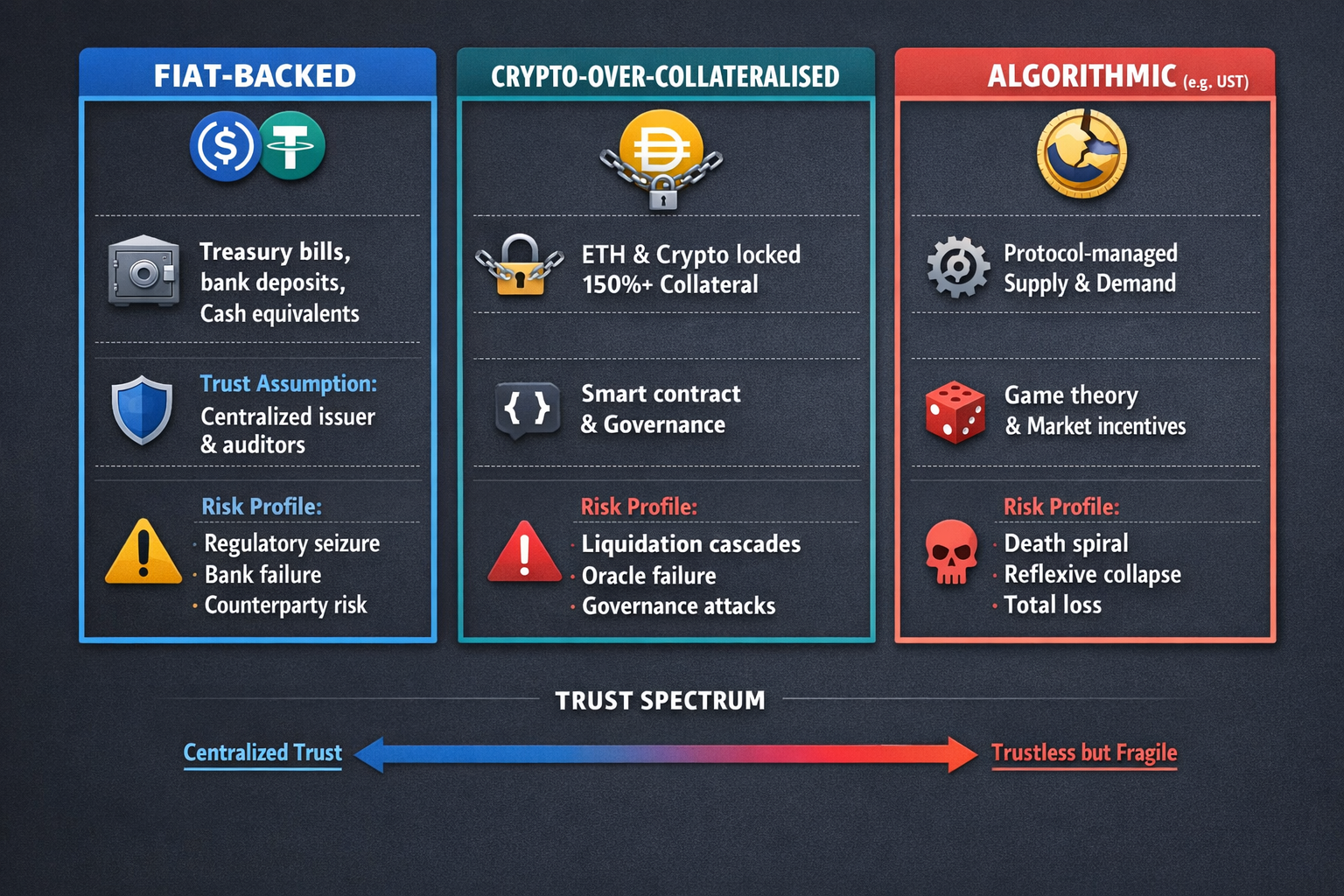
This guide closes that gap. Each section explains a core DeFi primitive, names real protocols with real numbers, and identifies the specific risks that the standard explanations gloss over. If you've bought crypto, used a wallet, and maybe dabbled in a swap or a lending deposit, you're the target reader. By the end, you'll evaluate DeFi positions the way professionals do — by tracing the full dependency stack, not by chasing the highest APY number on a dashboard.